

The Ultimate Guide to Horse Racing Odds Comparison
When it comes to horse racing, understanding the odds is critical for any bettor. Comparing Horse Racing Odds Comparison horse racing odds comparison enables punters to find the best value when placing their bets. In this comprehensive guide, we’ll dive deep into the world of horse racing odds, how they work, and the importance of comparison.
What are Horse Racing Odds?
Horse racing odds represent the probability of a horse winning a race, as well as the potential payout if the horse wins. Odds can be presented in various formats, including fractional, decimal, and moneyline. Understanding these formats is fundamental for any horse racing enthusiast.
1. Fractional Odds
Fractional odds are the traditional format used in horse racing, particularly in the UK. They represent the profit relative to the stake. For example, if a horse has odds of 5/1, a bet of $1 would return $5 in profit plus the original stake, totaling $6. If the odds are 10/1, a $1 bet would yield $10 in profit, totaling $11.
2. Decimal Odds
Decimal odds are popular in Europe and represent the total payout, including the stake. If a horse has decimal odds of 6.0, a $1 bet would return $6 in total. This format is often easier for bettors to calculate their potential winnings quickly.
3. Moneyline Odds
Commonly used in the United States, moneyline odds can appear as either positive or negative numbers. Positive odds indicate how much profit a $100 bet would yield, while negative odds show how much needs to be wagered to win $100. For instance, if a horse has +300 odds, a $100 bet would return $300 profit plus the original stake. Conversely, -200 means you need to bet $200 to win $100.
The Importance of Comparing Odds
Comparing odds from different bookmakers is crucial for maximizing your potential returns. A minor difference in odds can significantly impact your long-term profitability, especially if you’re a frequent bettor. Here are a few reasons why comparing odds is essential:
1. Maximum Value
Finding the best odds means you can secure greater returns on your winning bets. For instance, if one bookmaker offers 5/1 on a horse while another offers 6/1, choosing the latter maximizes your potential profit.
2. Building a Betting Strategy
When you compare odds consistently, you can develop a more effective betting strategy. Trends in odds can indicate how bookmakers perceive certain horses’ chances, and capitalizing on discrepancies can yield profitable opportunities.
3. Understanding Market Movements
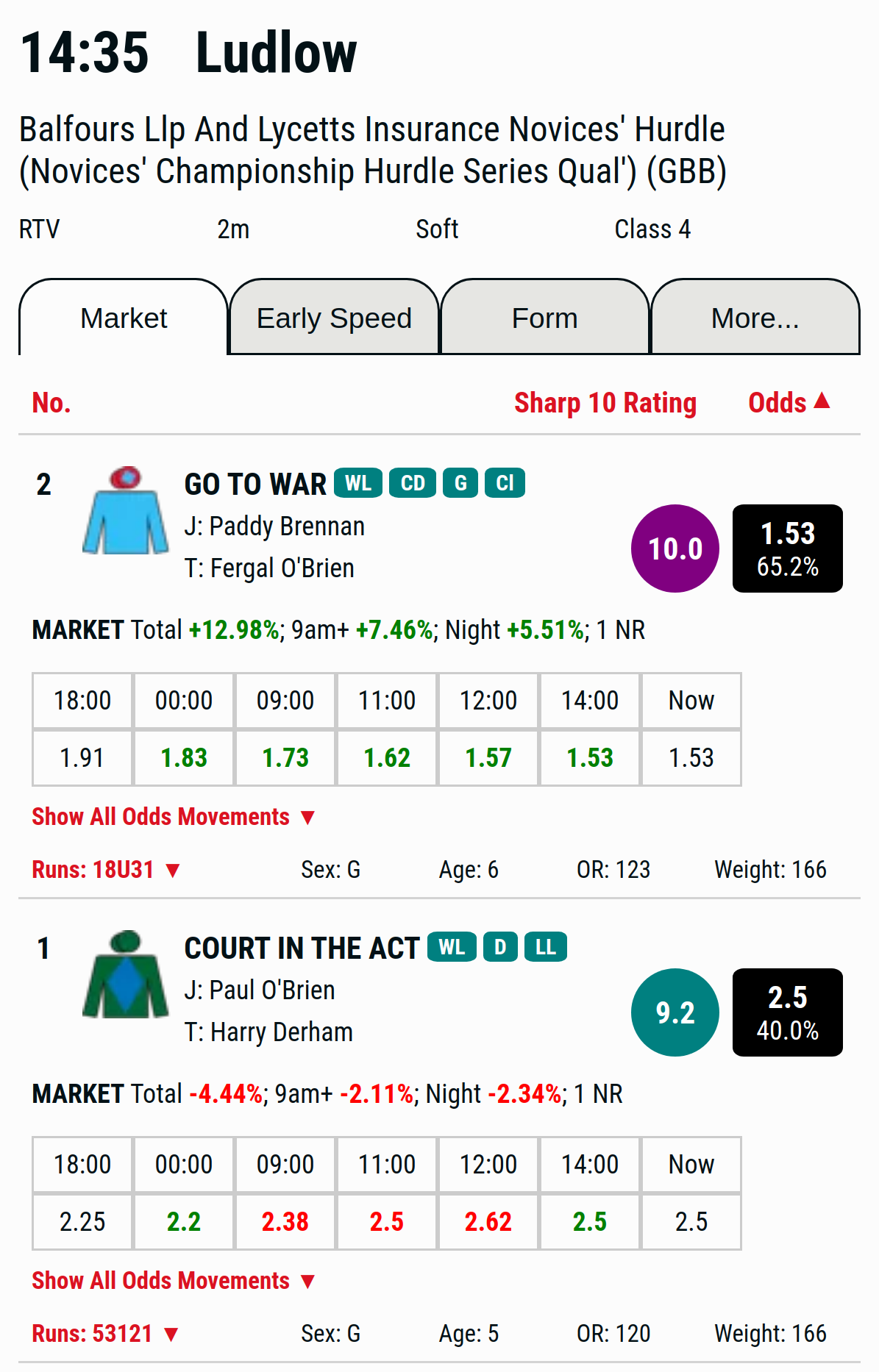
Odds are continuously recalibrated based on various factors, including public betting behavior, horse performance, and track conditions. By monitoring these changes across multiple bookmakers, you can better understand market sentiment and leverage that information for your benefit.
Tools for Odds Comparison
Several online platforms facilitate horse racing odds comparisons, making it easier for bettors to find the best deals. Here are a few tools that can help:
- Odds Comparison Websites: Dedicated websites allow users to compare odds from various bookmakers side by side, highlighting the highest available odds for each horse.
- Mobile Apps: Many apps provide real-time odds comparison and alerts for odds changes, ensuring you never miss out on a favorable bet.
- Betting Exchanges: Platforms like Betfair allow bettors to compare odds from each other rather than just bookmakers, which can lead to finding better market rates.
Strategies for Successful Betting
Now that you understand the importance of odds comparison, let’s explore some strategies to enhance your betting success:
1. Research the Horses
Understanding the horses’ past performances, trainers, and track conditions can significantly influence your betting decisions. Knowledge is power when it comes to identifying which horses may outperform their odds.
2. Use Multiple Bookmakers
Opening accounts with multiple bookmakers gives you the flexibility to compare odds easily. You can quickly switch to the bookmaker offering the best odds for your chosen horse.
3. Keep Track of Your Bets
Maintaining a record of your bets allows you to analyze your performance over time. This will help you identify patterns in your betting behavior and refine your strategies based on what works best for you.
Common Mistakes to Avoid
Even seasoned bettors can make mistakes. Here are some common pitfalls to be aware of:
1. Ignoring Odds Comparison
Failing to compare odds is one of the biggest mistakes a bettor can make. Always take a few minutes to check multiple sources before placing your bets to ensure you get the best value.
2. Getting Carried Away with Favorite Horses
While it’s natural to have favorite horses, it’s essential to rely on data rather than emotions. Always evaluate odds based on performance and potential, not sentiment.
3. Betting Without a Strategy
Betting without a clear strategy or plan often leads to poor decision-making. Establishing parameters for your betting, such as budget and strategy, can enhance your overall success.
Conclusion
In conclusion, horse racing odds comparison is a vital aspect of successful betting that can lead to greater profits and more enjoyable experiences. By understanding how to read and compare odds, using the appropriate tools, and applying effective betting strategies, you can enhance your betting prowess. Remember to stay informed and keep learning, as the world of horse racing betting is dynamic and ever-changing. Happy betting!
Recent Comments